‘Inappropriate’ Anger Groups & Workshops
Creative workshops and projects for people who have been given a BPD/EUPD diagnosis, based in Kent (UK) and online.
What is the ‘Inappropriate’ Anger (IA) project:
IA is a series of ongoing creative workshops and one-off creative projects, developed with and for people who have been given a diagnosis of Borderline Personality Disorder (BPD) or Emotionally Unstable Personality Disorder (EUPD).
In a mix of online and in-person sessions, we aim to find and make space for those whose lives have been affected by being given this diagnosis.
We make space to
· be human and creative without a label;
· talk and make art about our experience of the world;
· explore creative tasks (eg writing, drawing, performance, design)
· have a chance to practice believing yourself and experience being believed by others;
· discuss and exchange;
· be in a place of mutual respect, with no expectation of positivity, but with plenty of room for sarcasm and humour.
Our focus is not so much on managing behaviour; we aim to provide a context and community where participants feel able to explore, be curious, and engage on their own terms, from wherever they are at that day. We recognise the crossovers of BPD diagnosis with histories of trauma and oppression, and with various neurodivergencies, and build our activities with these in mind.

NOTE: While our participants find many of our activities therapeutic and beneficial for their mental and social wellbeing, the IA sessions are a creative and community space, and cannot replace the one-to-one therapy that we wish was available to everyone who needs it. Our sessions are run by one facilitator, which means that although we invest highly in taking care of everyone in the group, we currently cannot provide comprehensive one-to-one support for individuals within group sessions.
We do however always provide a range of options for how to take part and are flexible, giving participants agency in how/when they join us depending on capacity and life events.

How it works:
New participants initially take part in our introductory online workshops (4 workshops run over 5 weeks). This is a self-contained experience — think of it as similar to taking a short course.
After this, some participants are content to say goodbye. Others continue on with us and join the ongoing monthly IA creative workshops online.
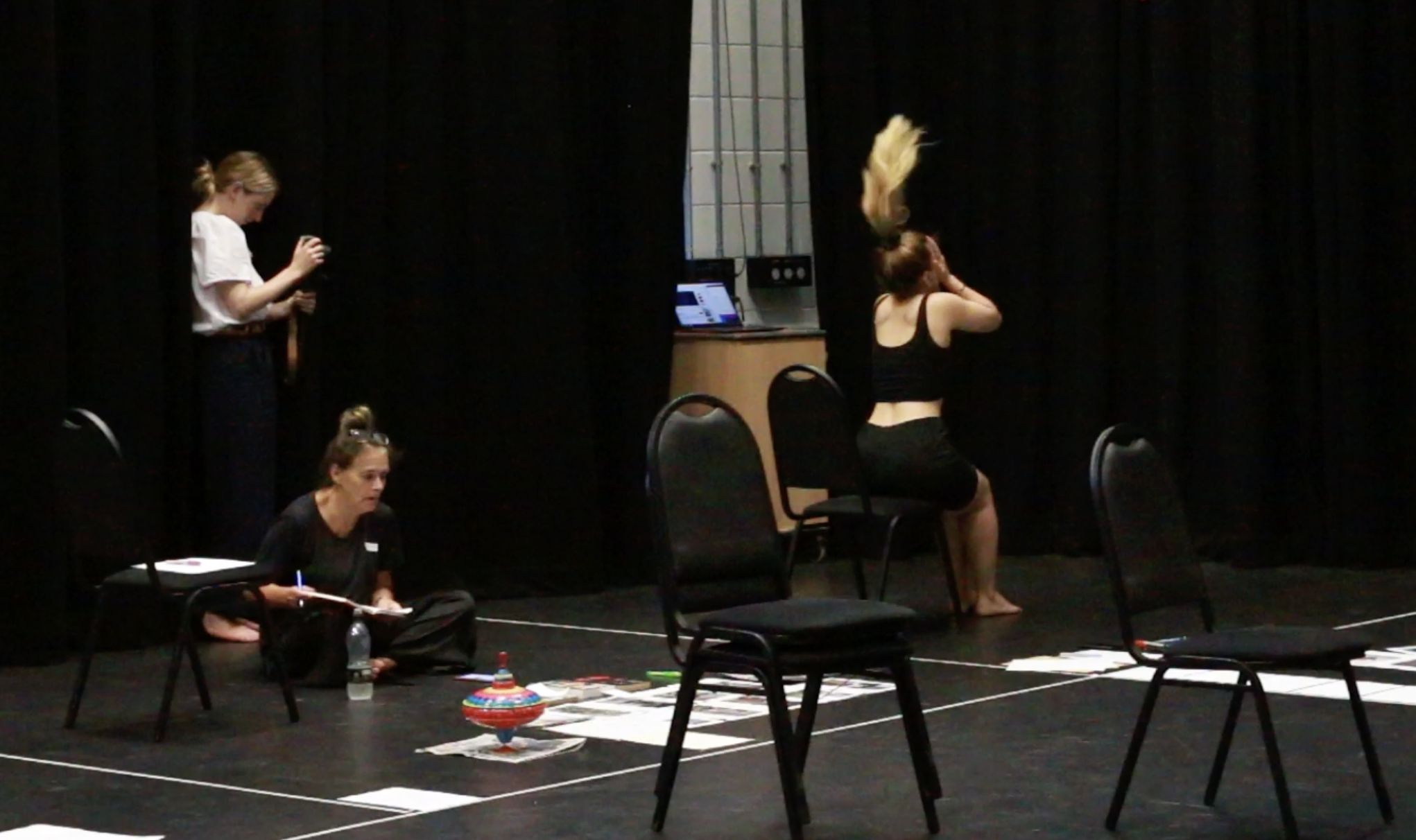
Many also choose to co-direct and participate in our annual creative projects (creating performance, short films and art installations), which often take place in person in Canterbury, Kent.
Besides our Zoom sessions, we also stay in touch and share creative work via a private group on Cluster (a platform that functions much like Facebook, but allows our activities to be separate from the kind of information you might share on Facebook).
The project is for people who hold, or have held, a BPD/EUPD diagnosis. However, to be involved it is not necessary to subscribe to, or accept, the BPD/EUPD diagnosis — and indeed the project was initiated precisely because we recognise the damage and harm associated with it (see Aves, 2022).
What IA is not: Explaining the name
Despite the name, this is not a project about anger management.
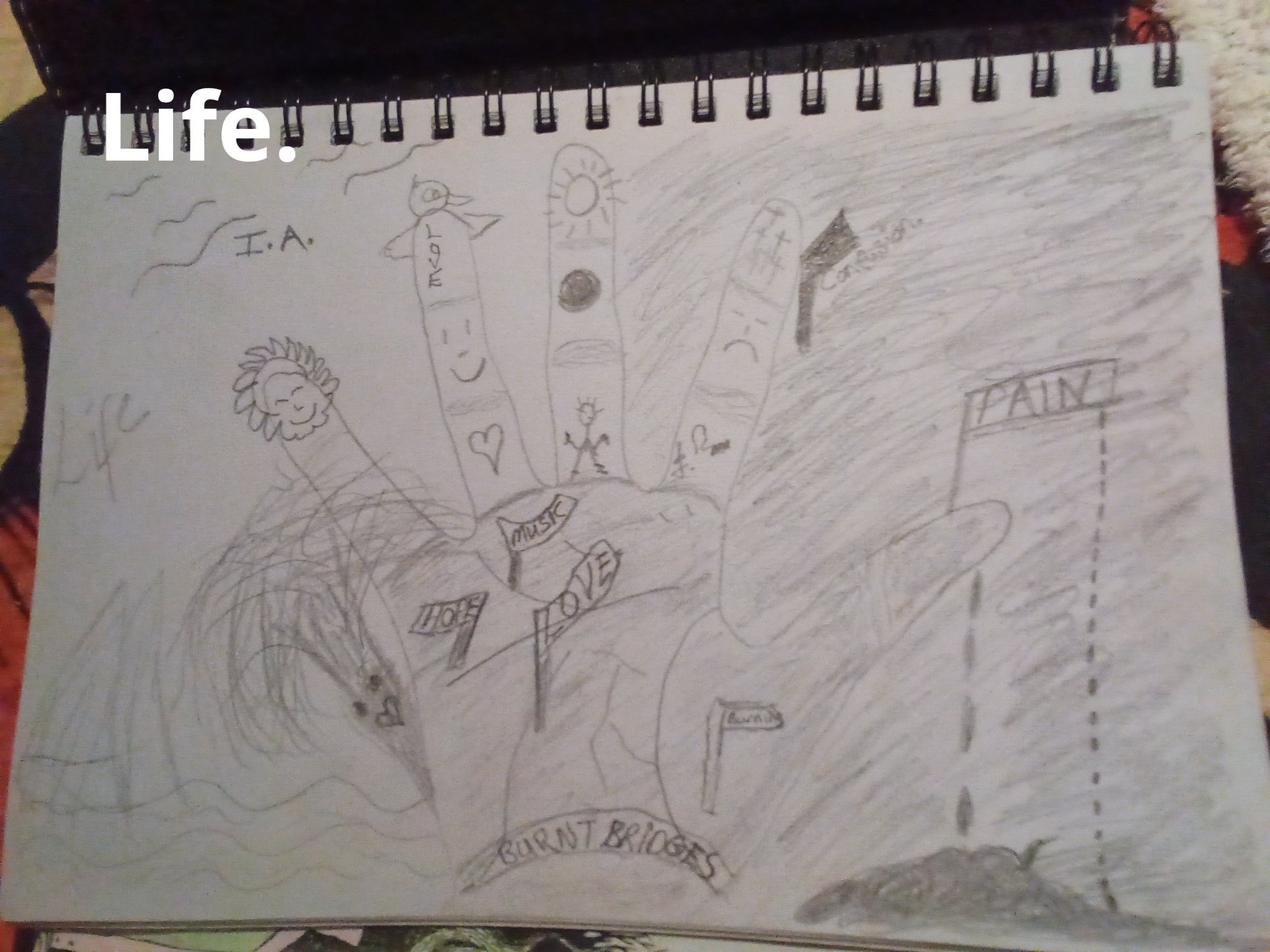
Rather, the name ‘Inappropriate’ Anger (with the ‘inappropriate’ in quotation marks) invites us all to NOT judge whether someone’s emotions are ‘inappropriate’, to NOT dismiss and silence, and to see what happens when someone is believed.
It is well documented that many people who have been given this diagnosis have suffered trauma; many have been given the diagnosis with barely any assessment; many have experienced discrimination and stigma for holding the diagnosis; many have been rejected from or been denied access to the right care — or any kind of care (Aves, 2022).
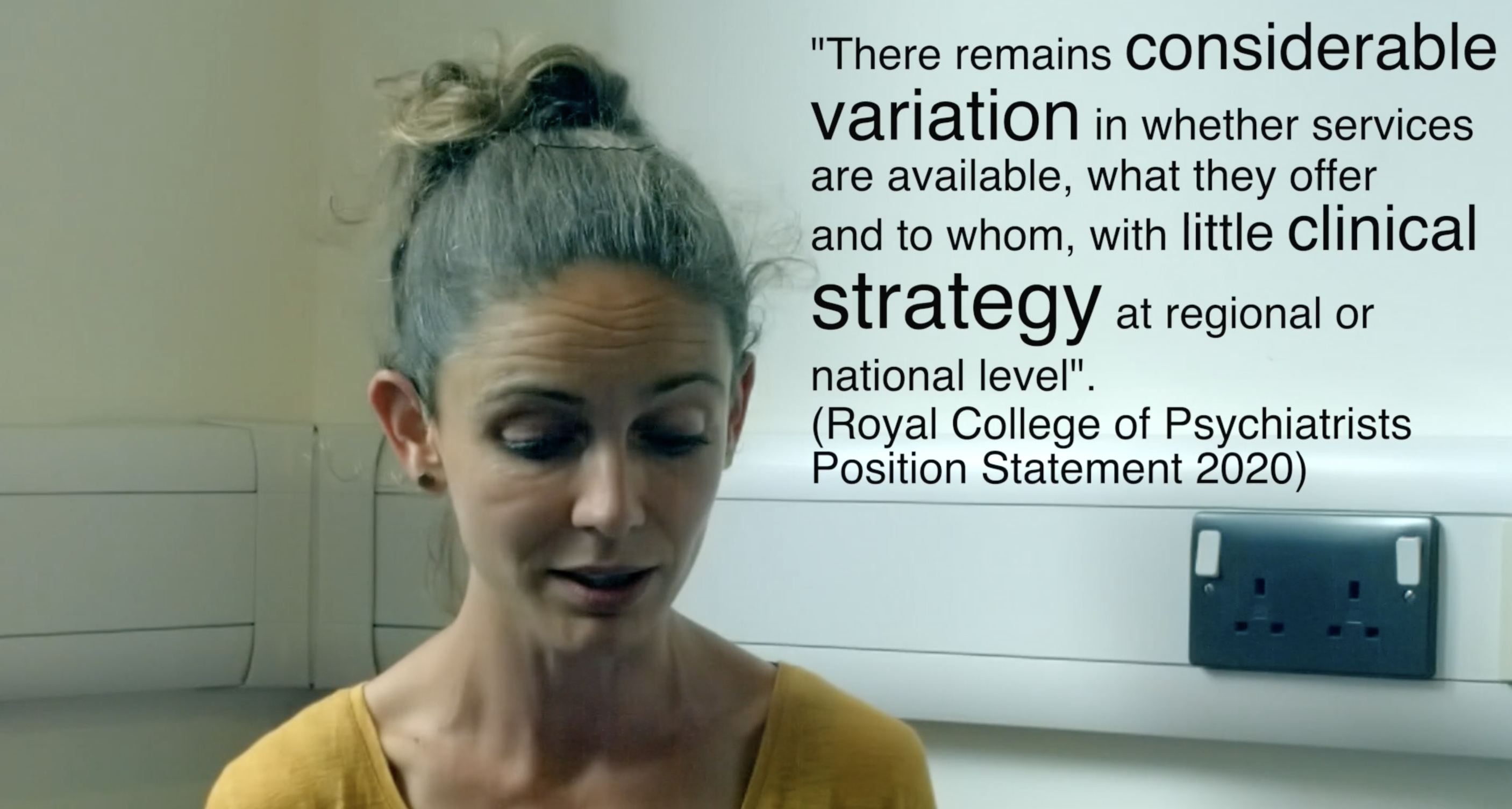
However, for those with the diagnosis it’s been hard to speak out about this, because ‘inappropriate anger’ was on the list of ‘symptoms’ used to diagnose BPD/EUPD. This creates a power imbalance, where if someone wants to question or disagree with or gets upset about their treatment, care, or lack of care, this could simply be re-framed as further evidence that they have a ‘disordered personality’. In these cases, the diagnosis itself can unfortunately become a tool to silence and close down, rather than to open up conversations. And in the process, we miss so much that could perhaps have helped.

The IA team:
Roanna Mitchell: Co-founder and lead facilitator. 
I work freelance as a performance-maker, and am also senior lecturer at the University of Kent, Canterbury. My background is in creative arts approaches that involve working with our thoughts, physical responses and imagination all together; and I am particularly interested in how creative activities can help us have conversations with ourselves, and relate with others.
I have been teaching and facilitating since 2010, and have been running community sessions like IA since 2019. I use a mix of approaches to facilitate sessions, blending tools from psychophysical performance and play-based practice with principles from art- and body-based psychotherapy and person-centred strategies for trauma treatment.
I have had my stints with madness, and maintain therapy and supervisions to resource myself and support my work with others.
.
Louisa Harvey: Co-founder and therapeutic consultant
Boat Rocker, Ex-Escapologist, and believer in the radical potential of courageous relating.
I am a psychodynamic therapist in private practice in Birmingham as well as working pro-bono as a hospice counsellor locally. I occasionally teach other psychotherapy trainees and supervise Masters research students. As well as participating in ad-hoc activities such as consultancy around creative projects, co-produced research and hosting creative writing workshops for survivor-led organisations.
My life and work centres on relationality – the ways in which we might dare honestly, and with accountability, to show up for ourselves and each other in ways that do not deny inter-dependence, vulnerability, and fallibility. That do not hide behind ideas of professionalism and are not afraid to be wrong, and to grow in unexpected directions.
I have often found creativity and arts based spaces to give greater space to speak to the things that can otherwise be employed as weapons and tools of oppression. IA has been a rich space of hearing, being heard, believing and being believed, recognition and recognising as well as laughter, rage and joy.
.
Guest artists — IA works with a range of wonderful guest artists, which have included
Daisy Orton (Director, Producer, Theatre Maker)
.
.
.
Participants:

IA participants are part of our team, and are the most insightful and generous collaborators. They give the key ideas and impulses for our projects, direct and create work, devise themes and tasks for our workshops, and often volunteer to advertise our activities and provide practical help with our sessions.
Most of our participants choose to be anonymous, and use an artist name in our projects. Big thanks to all of them, including Ruth H., Sharon Clarke, Lady K, Minkie, Kay, t0nkys, Eliza, Bryony, Celeste, Bunny, Butterfly Girl, George, Notes of the Heart, L.S., Cole Dark Skipper, JC, D.
.
.
.
.
.
.
Research:
Some aspects of the IA work are part of ongoing research, exploring the experiences of those with a BPD/EUPD diagnosis and evaluating the usefulness of our approaches in providing support and improving wellbeing/sense of agency/relationship with self and others.
Where our activities are part of research, participants are fully informed and given opportunity to give or withdraw consent. Any research activities are submitted to the University of Kent’s Central Research Ethics Committee for ethical approval. You can read more about our publications (both by facilitators and participants) here.

Bunny (2021)
How to join:
If you are interested in joining IA, please get in touch by emailing rem.mitchell@gmail.com.
It’s free to take part for anyone who holds, or has held, a BPD/EUPD diagnosis (we do not ask you to provide evidence).
PLEASE NOTE: Unfortunately, as IA is currently run on a voluntary basis, we are limited as to when we can welcome new participants and run the introductory workshops. We recognise and regret that this creates a barrier, and are always looking for funding to allow us to reach more people.
Once you get in touch, and if we are able to take new participants, Roanna will get back to you to arrange an initial chat, to explain more about how things work and discuss whether taking part is right for you at this point in time.
All new participants start by taking part in a series of 4 introductory workshops, run over 5 weeks. After this, sessions are run monthly, with occasional breaks for holidays. Once per year we run more intensive sessions (eg over one or two weekends) to develop creative work together, often in person.
Read more about IA past projects:
IA 2023-24: Scrapbook of an ordinary day